The Six Main Food Groups
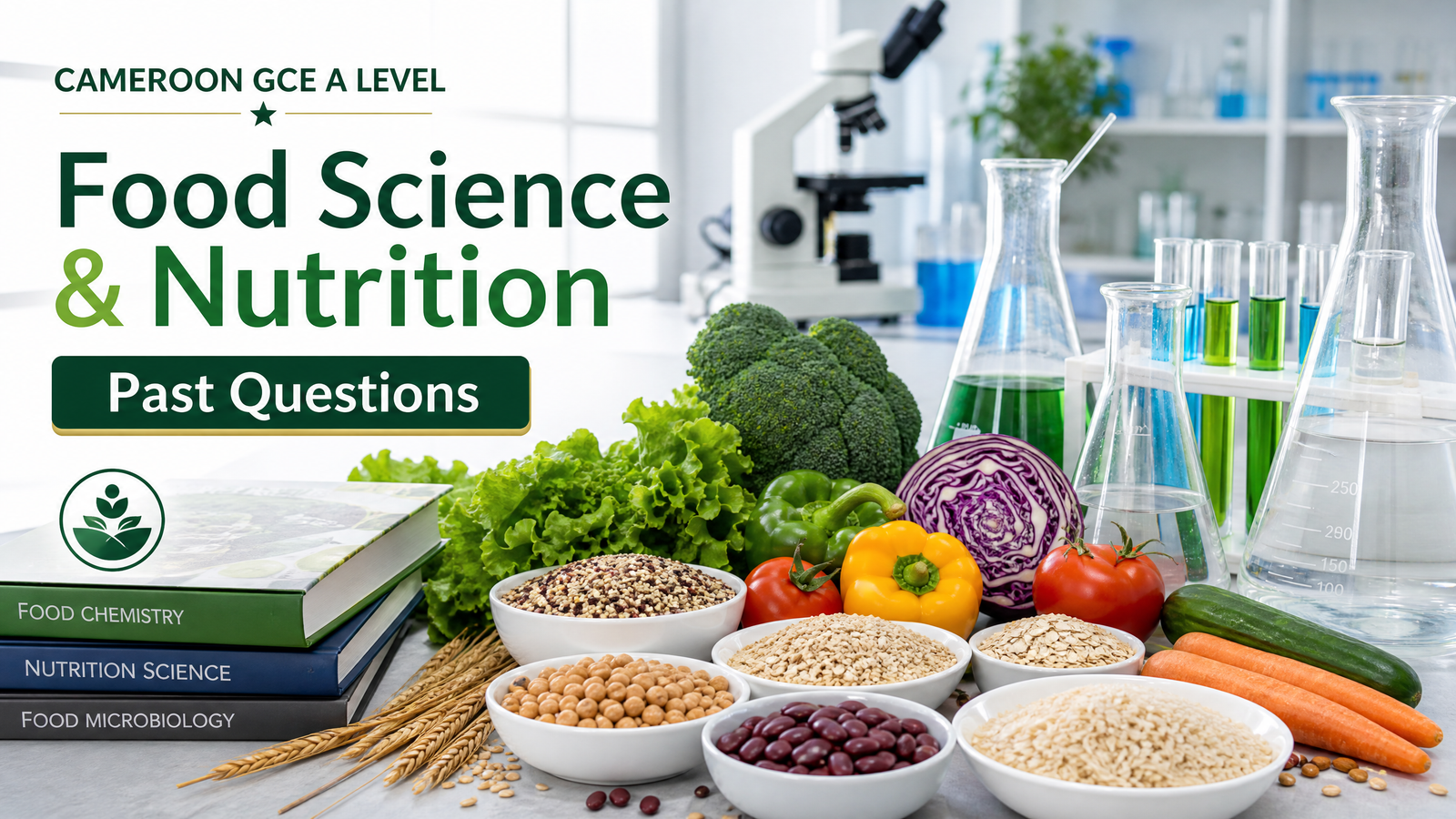
- Fruits: natural sources of vitamins, minerals, and fibre — apples, bananas, berries, oranges.
- Vegetables: rich in vitamins, minerals, and fibre — spinach, carrots, broccoli, tomatoes.
- Grains: major sources of carbohydrates and fibre — rice, oats, wheat.
- Protein foods: essential for building and repairing tissue — meat, fish, beans, nuts.
- Dairy: provides calcium, Vitamin D, and protein — milk, cheese, yoghurt.
- Fats and oils: important for energy and cell function — olive oil, avocado, nuts.
Macronutrients and Micronutrients
Macronutrients — carbohydrates, proteins, and fats — are needed in larger amounts for energy, growth, and repair. Micronutrients — vitamins (like Vitamin C from citrus fruits, Vitamin D from fortified dairy) and minerals (like calcium from dairy, iron from red meat and leafy greens) — are essential for various bodily functions.
Functional Foods
- Whole foods: minimally processed, close to their natural form — fresh fruit, vegetables, whole grains.
- Processed foods: altered through cooking, canning, freezing, or added ingredients — canned vegetables, bread, packaged snacks.
- Fortified foods: foods with added nutrients, such as fortified cereals or milk with added Vitamin D.
Special Diets
- Vegetarian/vegan: plant-based diets excluding meat, and for vegans, all animal products.
- Gluten-free: excludes gluten-containing grains (wheat, barley, rye), needed for coeliac disease or gluten sensitivity.
- Ketogenic: a high-fat, low-carbohydrate diet aimed at promoting ketosis for energy.