What is Kitchen Education?
Kitchen education covers learning and training related to food preparation, culinary techniques, kitchen management, and food safety. It is essential for anyone developing cooking skills, managing a kitchen, or pursuing a career in the culinary arts.
Key Areas of Kitchen Education
- Basic cooking skills: knife skills, cooking techniques (sautéing, roasting, grilling, baking, boiling), and reading recipes.
- Food safety and hygiene: sanitation, safe food handling, and personal hygiene while cooking.
- Nutritional knowledge: understanding a balanced diet, catering to dietary restrictions, and preserving nutrients during cooking.
- Menu planning: designing balanced menus, budgeting for groceries, and understanding portion sizes.
- Kitchen management: organizing tools and ingredients, managing inventory, and coordinating time efficiently.
- Culinary techniques: advanced skills and food presentation/plating.
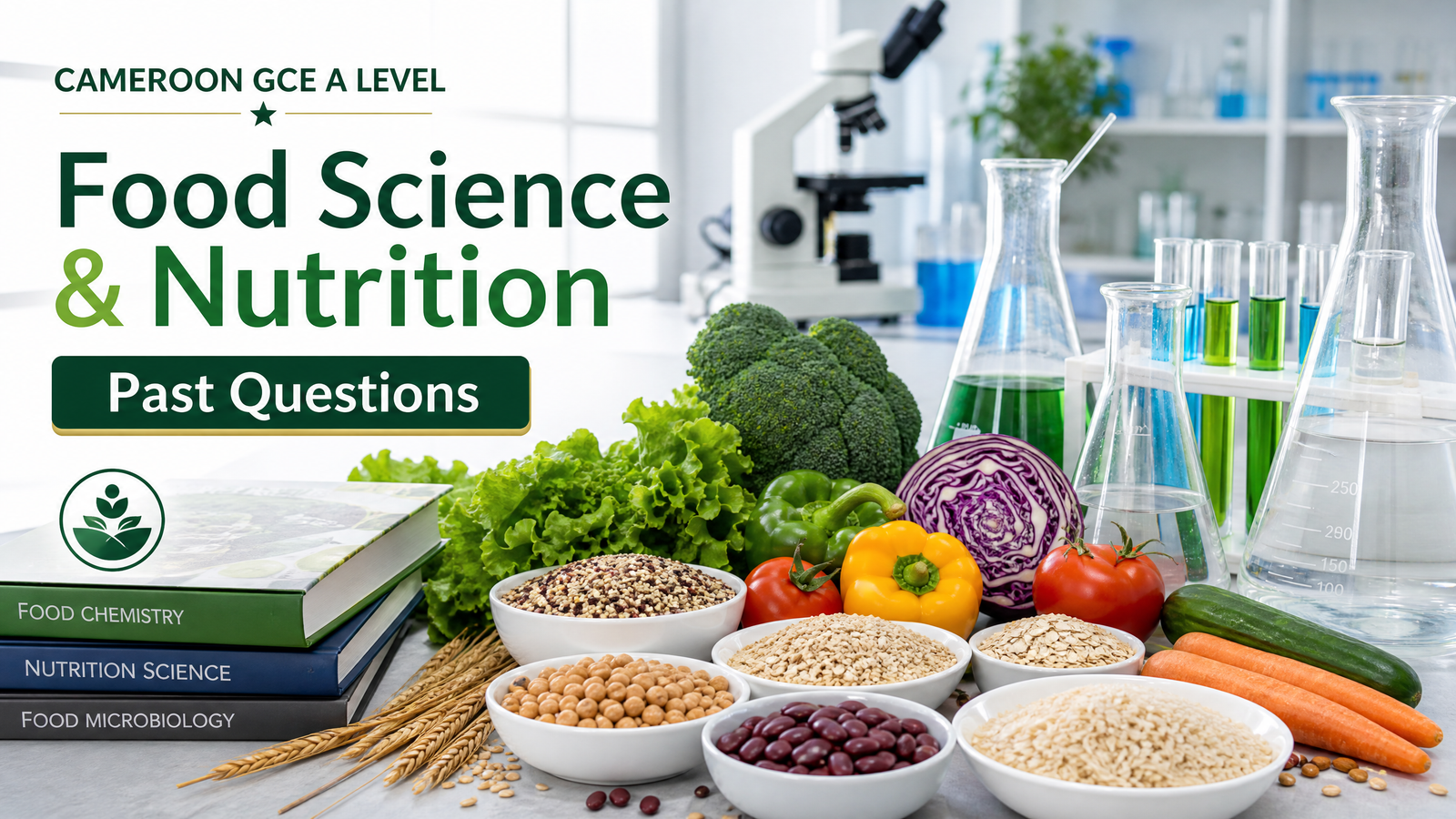
- Food science: how ingredients interact and how cooking changes their chemical composition.
- Cultural and international cuisine: exploring dishes and ingredients from different regions.
Kitchen education combines practical cooking skills with theoretical knowledge, preparing people for roles ranging from home cooking to professional culinary careers.