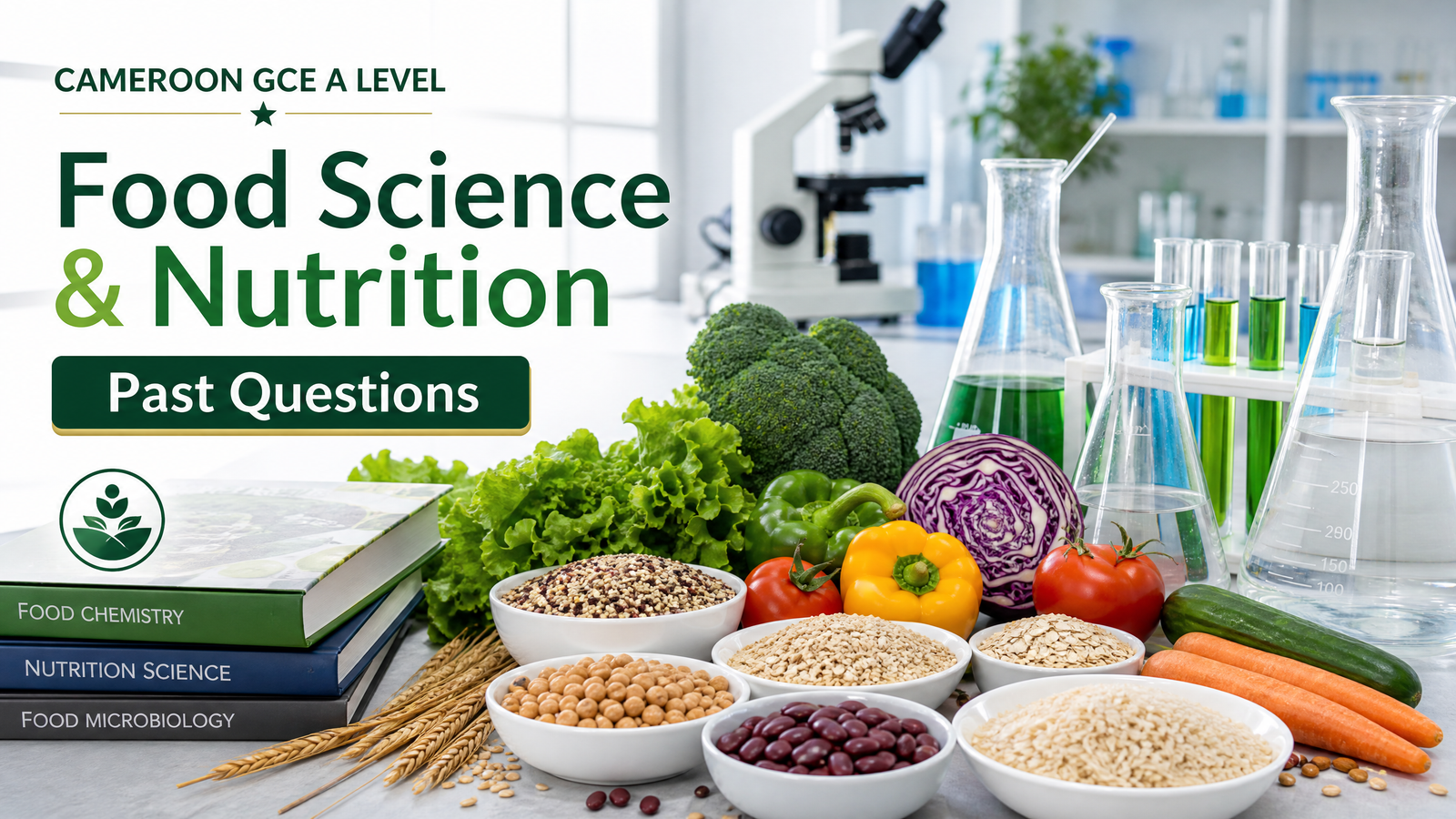
- Biology: understanding how nutrients are absorbed, metabolized, and used in the body — fundamental to nutrition science.
- Chemistry: food chemistry explores the chemical properties of nutrients, additives, and flavours, and how cooking and processing affect food composition.
- Medicine: nutrition is key to disease prevention, management, and recovery, with clinical nutrition guiding dietary interventions for conditions like diabetes and heart disease.
- Public health: designs nutrition policies, programmes, and interventions to address nutritional needs at the population level.
- Psychology: examines emotional eating, food preferences, and the impact of diet on mental health.
- Economics: analyzes the cost of food, accessibility, and the economic impact of diet-related disease.
- Sociology: studies dietary practices, food security, and the role of food in social interaction and cultural identity.
- Environmental science: explores the environmental impact of food production, including sustainability and resource use.
- Education: promotes nutrition education in schools and communities to improve dietary habits.
- Technology: supports food production, processing, and safety through innovations such as food tracking, quality testing, and packaging technology.
 Advance Level Pure Mathematics with Statistics Pamphlet
7,500CFA
Advance Level Pure Mathematics with Statistics Pamphlet
7,500CFA
 Ordinary Level Physics Pamphlet
6,500CFA
Ordinary Level Physics Pamphlet
6,500CFA
 Ordinary Level Human Biology Pamphlet
6,500CFA
Ordinary Level Human Biology Pamphlet
6,500CFA
 Ordinary Level Logic Pamphlet
6,500CFA
Ordinary Level Logic Pamphlet
6,500CFA
 Advance Level Computer Science Pamphlet
7,500CFA
Advance Level Computer Science Pamphlet
7,500CFA