Acids
Acids occur naturally in substances like unripe mangoes and oranges, giving them a sour taste.
- They have a sour taste.
- They turn blue litmus paper red.
- They react with carbonates to release carbon dioxide, and with reactive metals like zinc.
- Concentrated acids are corrosive.
Bases
A base is the oxide or hydroxide of a metal.
- They feel soapy to the touch.
- They turn red litmus paper blue.
- Concentrated solutions are corrosive.
Indicators and the pH Scale
An indicator is a substance that changes colour depending on whether it’s in an acid or a base — litmus paper is a common example. A universal indicator changes through a range of colours corresponding to different degrees of acidity or alkalinity, measured on the pH scale.
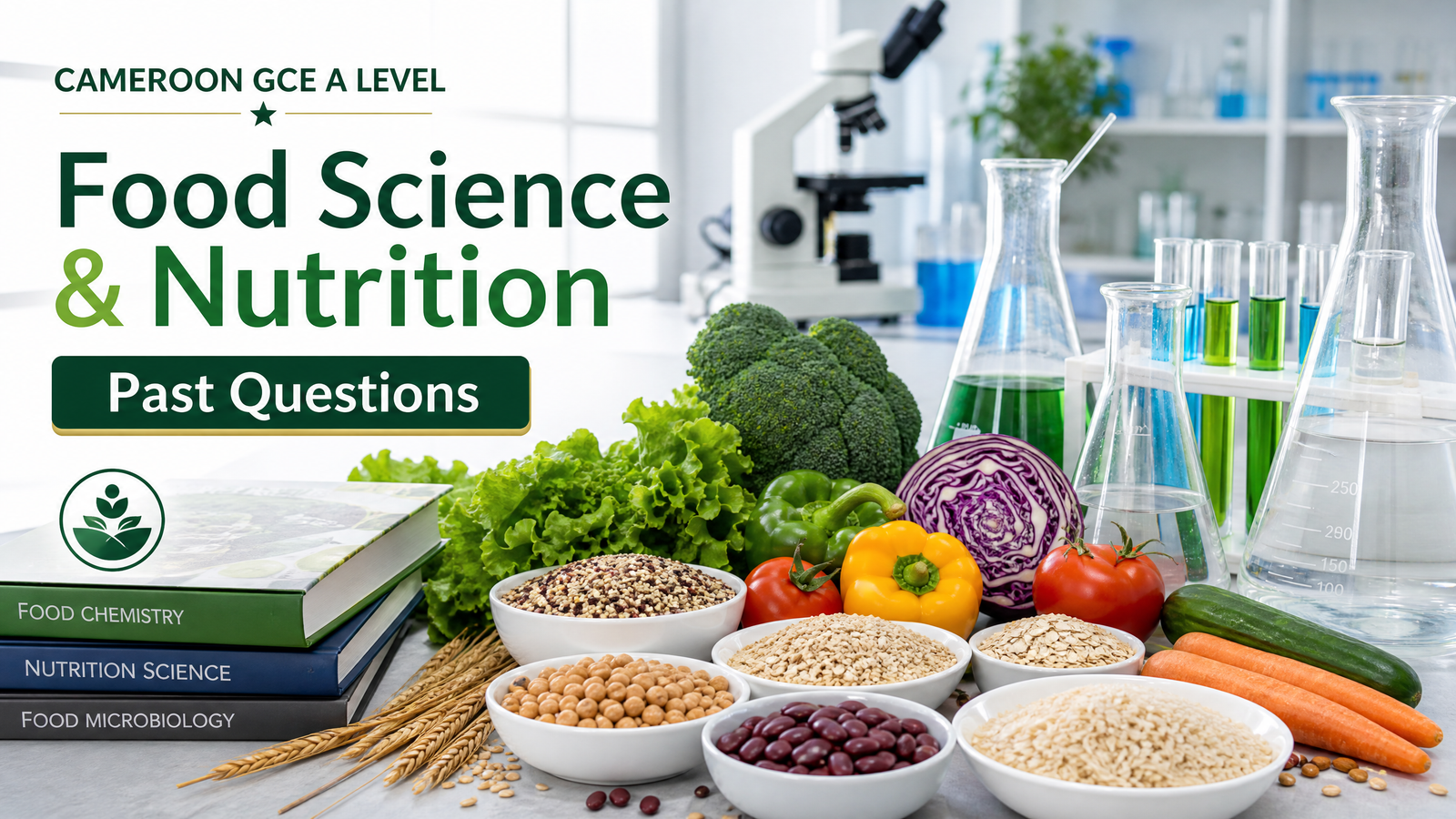
An indicator can even be made at home: a few crushed red cabbage leaves are ground with an equal volume of water, transferred to a flask and gently boiled, then filtered — the resulting coloured liquid changes colour in the presence of acids and bases and can be used to classify substances.